Essays in style. Notes on culture. A journal of direction, design, and detail.
LIFESTYLE
CULTURE
Fashion in Film
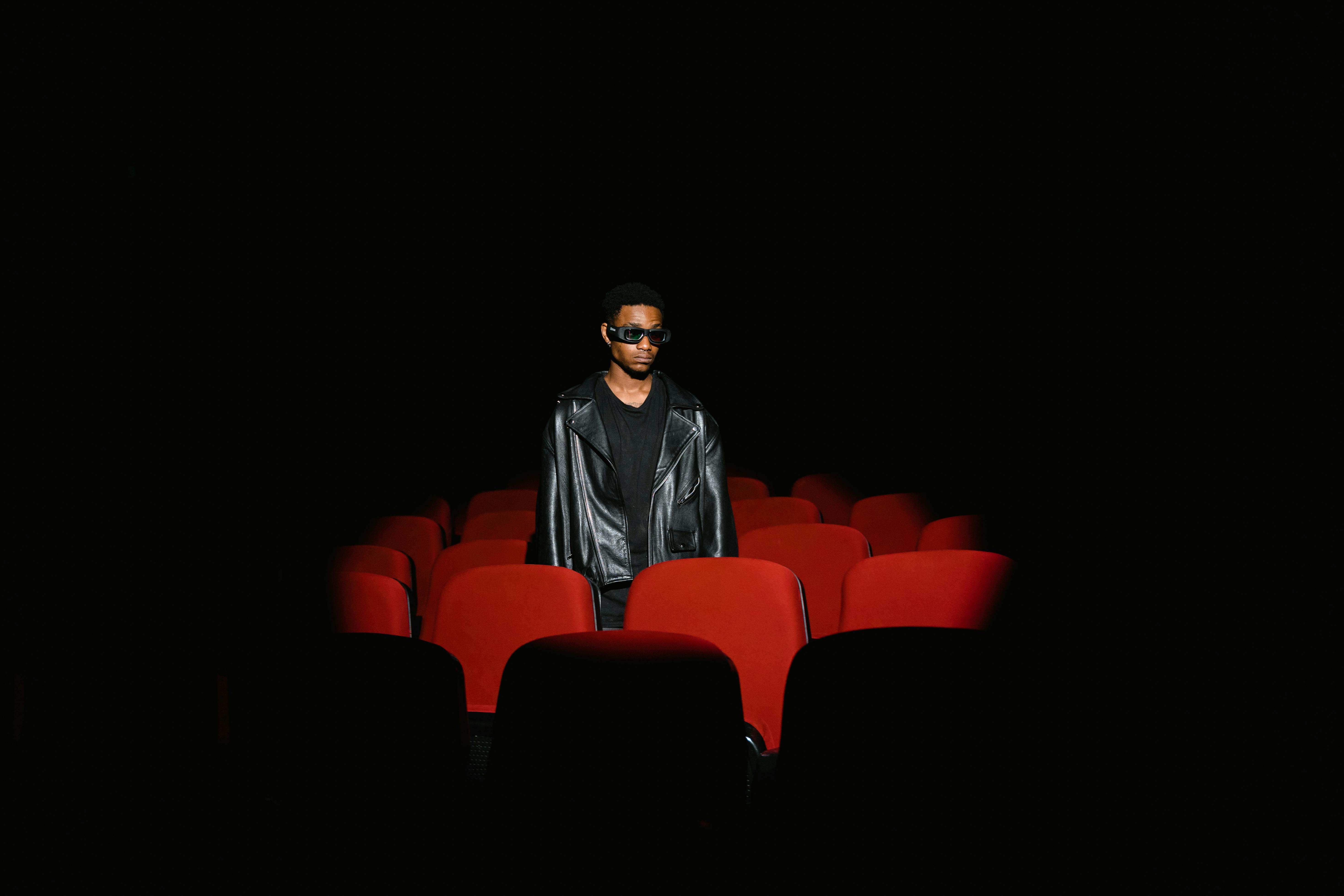
Film preserves clothing the way photography preserves faces. Costumes in film live beyond the story, becoming reference points for designers and stylists for decades. A single character outfit can enter the cultural lexicon and shift public taste. Films operate at scale: they distribute visual ideas to global audiences who then reinterpret them in everyday dress. Because cinema combines movement, context, and narrative, it renders clothing meaningful in ways still photography struggles to match.
This archival power means that costume becomes source material for designers seeking resonance. The film costume is rarely neutral; it is a character move, an ideological note, and a cultural signal. Designers who mine film archives are mining stories as much as silhouettes.
AGENCY WORK
THOUGHT LEADERSHIP
Lessons from the Studio
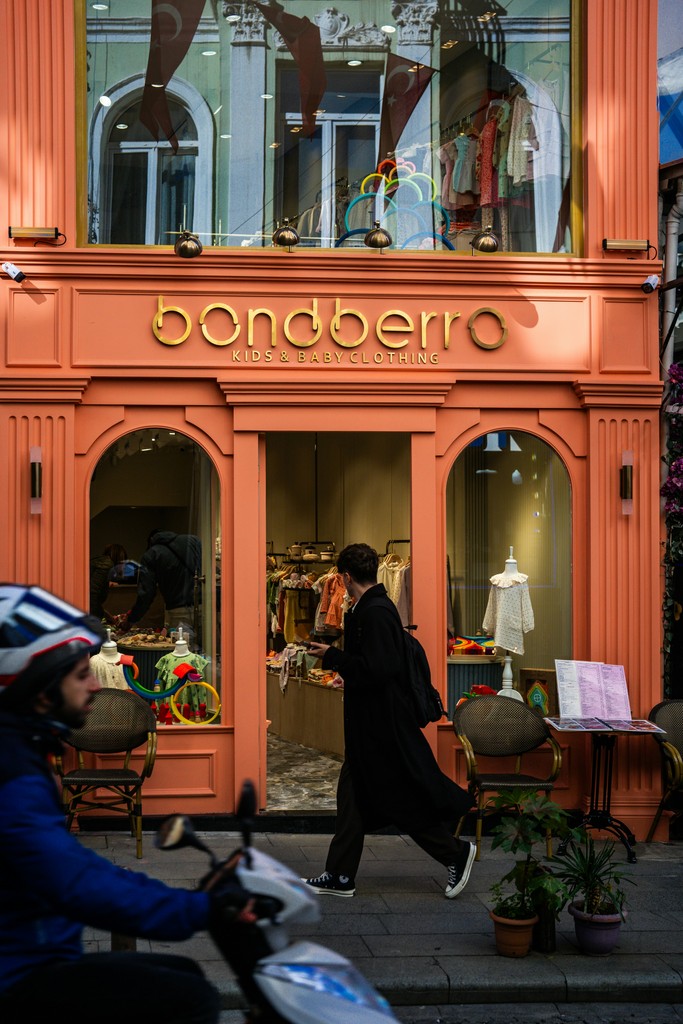
Working with different brands teaches more than a portfolio can show. Each client becomes a classroom, offering lessons in constraint, audience, and value. Collaboration is a curriculum of humility and rigor. The studio learns to translate brand language into visual forms while the client learns to trust a process that may feel foreign at first. The most successful projects arrive when both sides enter the relationship eager to learn and to be challenged.
This dynamic requires clear rituals: well prepared moodboards, aligned timetables, and an early definition of non negotiables. Those rituals prevent friction later and keep creative work generative rather than defensive. Over time the studio builds not just a roster of clients but a pattern language of how to make complex projects move smoothly from idea to release.
SUSTAINABILITY
INNOVATION
Virtual Runways, Real Impact
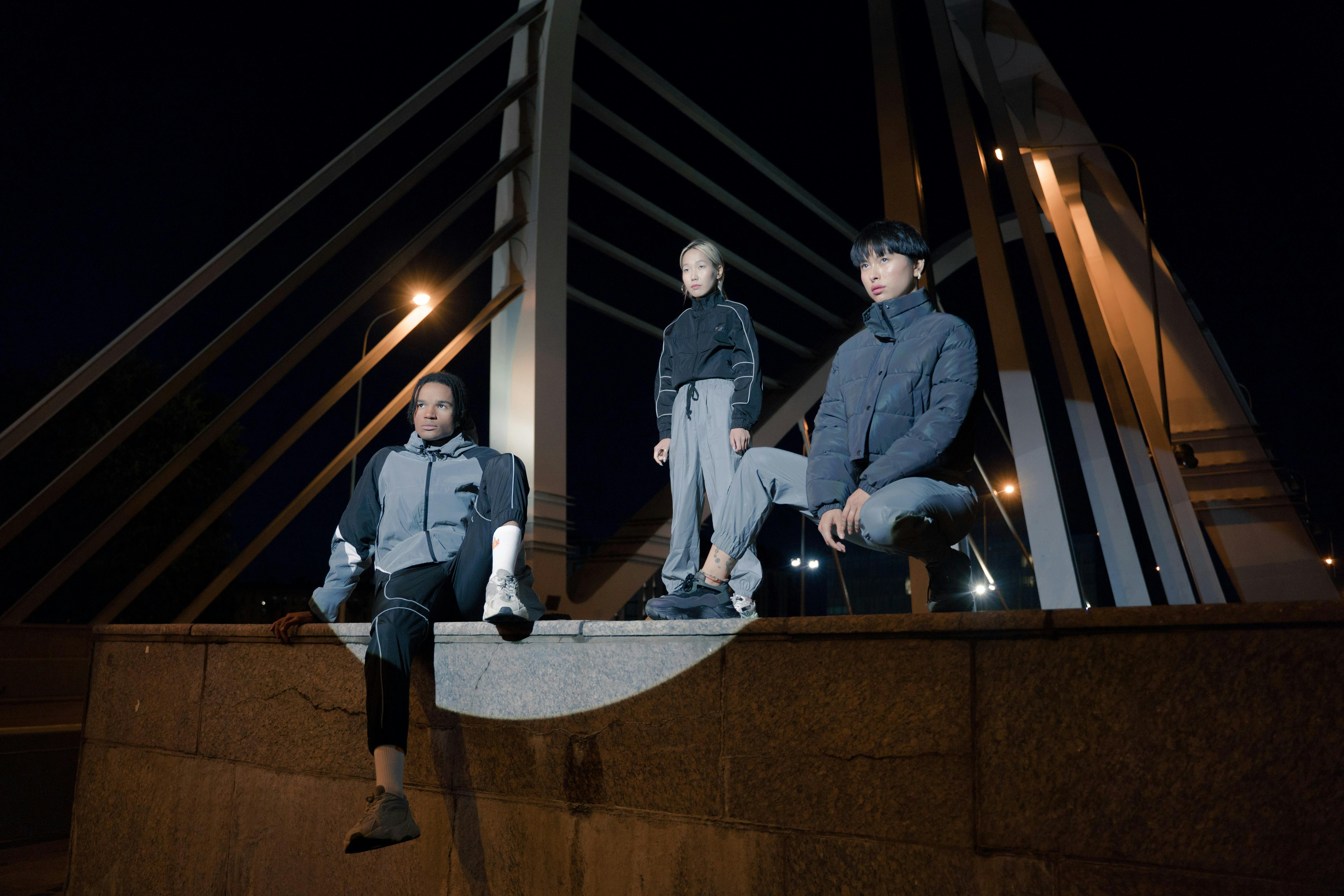
Virtual runways began as novelty, then as necessity, and now as an artistic medium in their own right. They offer an opportunity to reimagine how collections are presented, freeing shows from the constraints of physical staging and travel. From an environmental perspective, virtual presentations lower carbon footprints related to logistics and production, but their true value extends beyond sustainability. They allow designers and directors to stage impossible scenes and choreograph garments in ways that physical constraints never permitted.
This freedom invites new forms of narrative. A virtual show can morph environments, manipulate scale, and integrate motion design in service of story. That means creative directors and technologists must collaborate earlier and more deeply than in the past. The artistry of virtual presentation will be defined by teams that know how to translate tactile craft into digital choreography without losing the material soul of clothing.

SUSTAINABILITY
INNOVATION
Sustainability Beyond Greenwashing
Sustainability has become a cultural demand, but the language around it is often flattened by buzzwords and vague claims. Greenwashing has trained audiences to be skeptical, which is healthy and necessary. For brands, this means that vague statements about being sustainable no longer cut it. Consumers and collaborators want verifiable care, stories of practice, and visual evidence that sustainability is embedded in creative choices and production systems.
Styling and creative direction are a vital place to make authenticity visible. A well shot campaign that foregrounds repair, reuse, or material provenance communicates far more than a press release. The visual choices of what to show, and how to show it, act as proof of intent. They make sustainability legible.
INDUSTRY
BUSINESS
Fashion Meets E-commerce
For many brands, the online store has become the first and most frequent point of contact with an audience. The physical boutique still matters, but more buyers now begin, end, and measure relationships through digital pages. That puts an enormous burden on creative direction to make first impressions that are not only visually arresting but functionally persuasive. An e-commerce homepage must establish voice, clarity, and trust within seconds, while product pages must carry the narrative forward with conviction.
This is why creative direction cannot be tacked on after the commerce build. It must lead the way. The creative director defines hierarchy, photography style, tone of voice, and the choreography of images and copy so that every click feels like a step deeper into a coherent world. When those elements align, conversion follows not because of pressure but because the experience feels credible and curated.
VISUAL CULTURE
INSPIRATION
Color as Identity
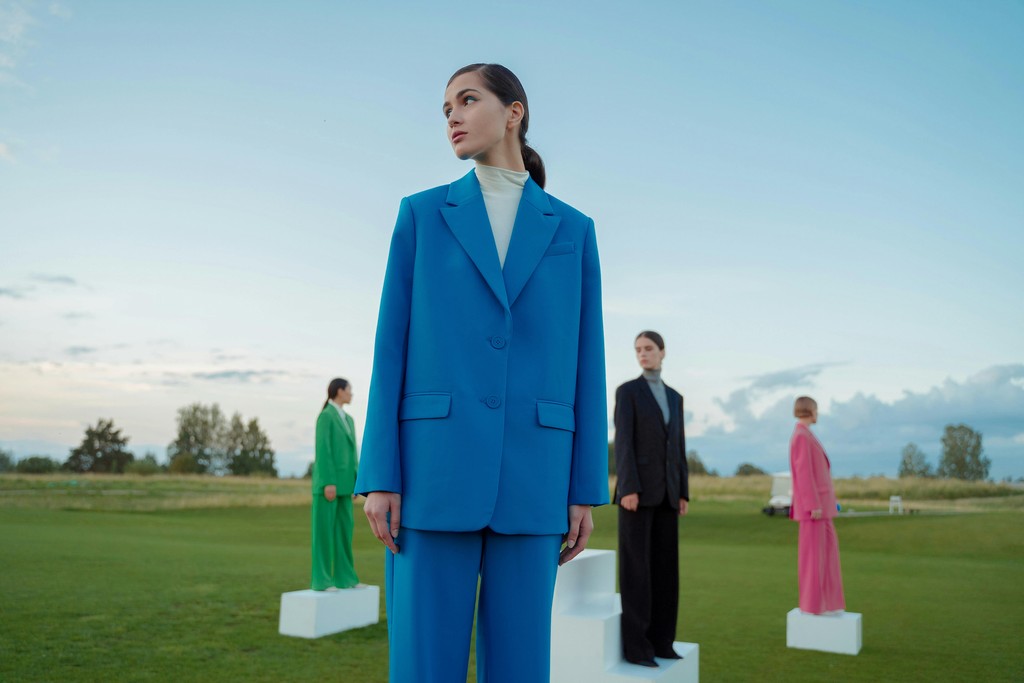
Color rarely arrives by accident. When a hue becomes associated with a house, it moves from pigment to promise. Think of signatures such as a particular robin egg blue or a saturated red; those tones operate as short codes, compressing history, heritage, and expectation into a single visual cue. For a brand, a distinct color becomes shorthand for its world view. It informs everything from packaging to campaign lighting, and when selected with rigor it performs like a logo that speaks in feeling rather than form.
Choosing a signature color is not purely aesthetic. It is a strategic choice that will live across media, geography, and time. A palette must be flexible enough for seasonal shifts yet anchored enough to be instantly legible. That is why the work of naming, testing, and systematizing color is often the invisible backbone of strong visual identity. The color needs rules, and those rules keep the brand consistent so that each visual touchpoint can echo the same emotional note.

VISUAL CULTURE
INSPIRATION
Fashion Photography's Quiet Power
Fashion lives in moments, but photography turns those moments into something enduring. A collection may only exist for a single season, yet one photograph can outlast decades, becoming a reference point for generations. Think of Richard Avedon’s portraits, or Helmut Newton’s charged compositions — their images continue to define how we see glamour, edge, and elegance, long after the original garments are gone. A single frame can hold an entire cultural atmosphere, distilling an era into something tangible.
This is why photography is more than documentation; it is translation. While clothes fade and fabrics age, the photograph preserves not just what was worn but how it was seen. It shapes memory in a way that no runway show or garment archive can replicate. Timeless images give fashion its mythology, ensuring style is never just seasonal, but cultural.

CREATIVE DIRECTION
BRANDING
The Moodboard as Manifesto
Too often, moodboards are dismissed as collages of inspiration. But in the hands of a strong creative director, a moodboard becomes a manifesto. It is where ideas take shape, where abstract impulses begin to find coherence. It is the DNA of a campaign long before clothes are stitched or cameras are lifted.
A great moodboard doesn’t just collect images — it curates a worldview. Every texture, color, and reference builds a language that guides designers, photographers, stylists, and clients alike.

FASHION
STYLE INSIGHTS
Minimalism Reconsidered
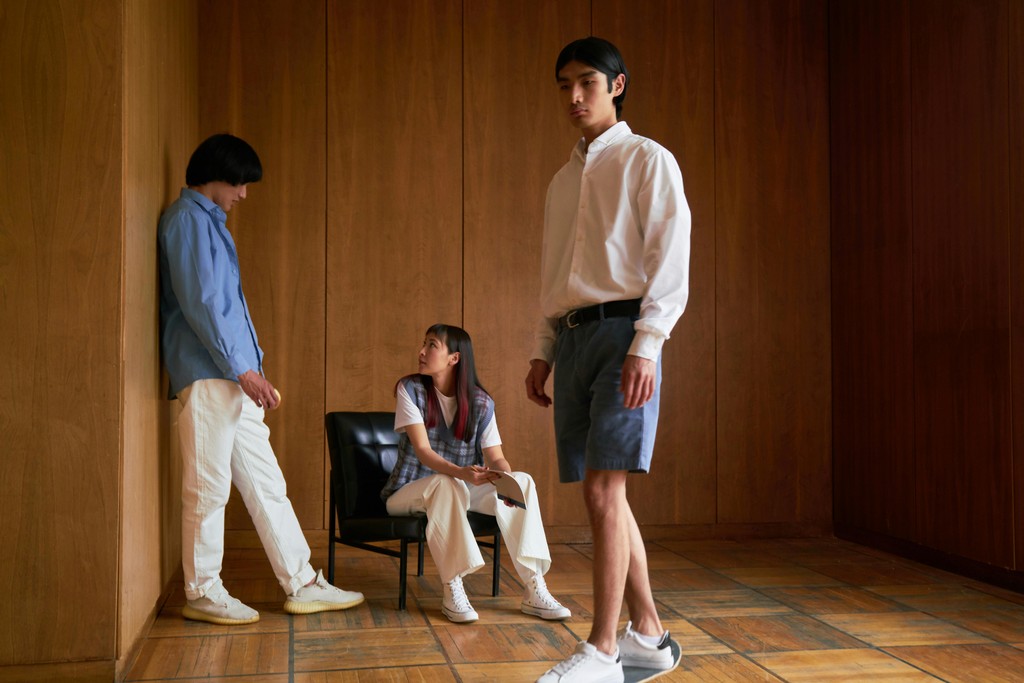
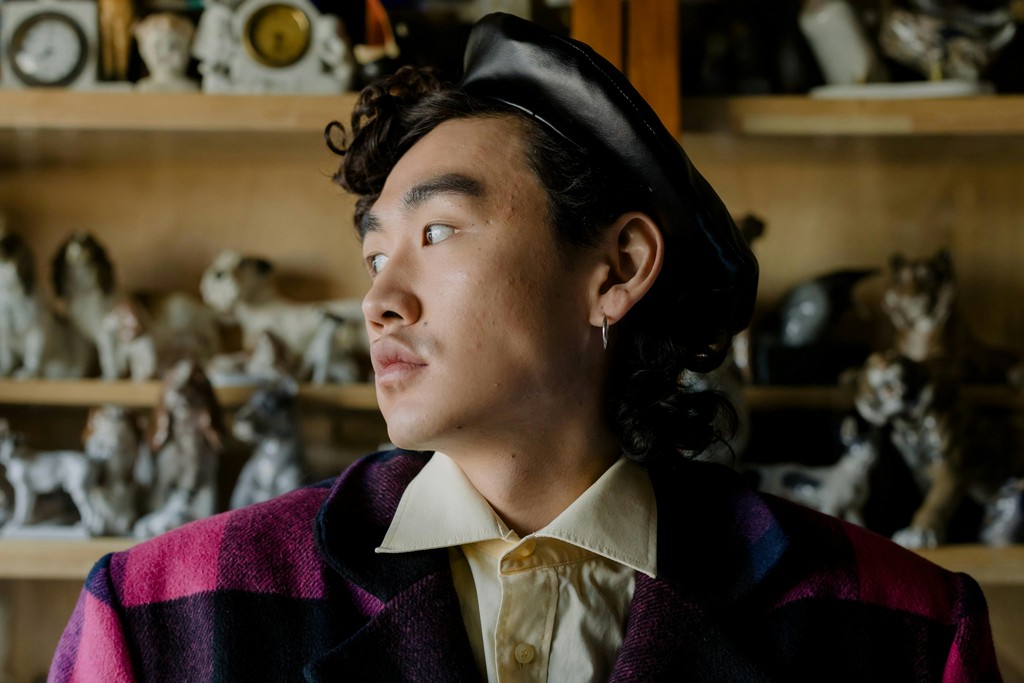
Minimalism is often mistaken for absence, but true minimalism is an act of intention. It is the choice to say more with less, to refine rather than strip away. A crisp white shirt styled with deliberate precision can be more powerful than an outfit filled with excess detail.
This is not about austerity. It is about clarity — allowing a garment’s cut, fabric, and silhouette to speak without distraction. In an era of maximalism and overstimulation, minimalism offers a breath of fresh air, an antidote to visual noise.
FASHION
STYLE INSIGHTS
Beyond the Catwalk
Fashion weeks are more than showcases of garments; they are cultural mirrors. Each season, designers use the runway to comment on society, politics, and identity, often more powerfully than a speech could. From New York’s energy to Paris’s grandeur, the catwalk becomes a global stage where clothing transforms into commentary.
But the power of these events is not limited to those present in the front row. In today’s hyperconnected world, what happens on the runway immediately enters the digital bloodstream, influencing everything from TikTok styling hacks to fast-fashion production cycles. The runway is no longer an endpoint — it is a launchpad for cultural conversation.