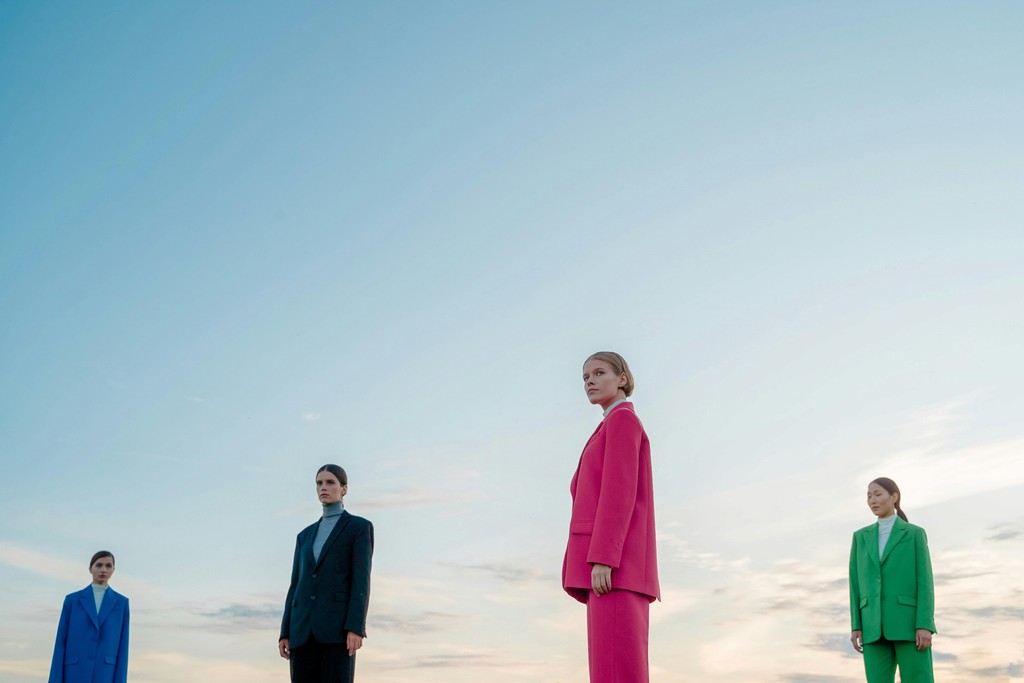
Color as Identity

a black and white photo of a man holding his hands to his face

Matteo Cruz

6 min read

The hidden psychology of palettes in fashion branding

The hidden psychology of palettes in fashion branding

Photos

Sofia Marin

Date

Wednesday, July 30, 2025

Category

VISUAL CULTURE

INSPIRATION

Color as Brand Signature

Color rarely arrives by accident. When a hue becomes associated with a house, it moves from pigment to promise. Think of signatures such as a particular robin egg blue or a saturated red; those tones operate as short codes, compressing history, heritage, and expectation into a single visual cue. For a brand, a distinct color becomes shorthand for its world view. It informs everything from packaging to campaign lighting, and when selected with rigor it performs like a logo that speaks in feeling rather than form.

Choosing a signature color is not purely aesthetic. It is a strategic choice that will live across media, geography, and time. A palette must be flexible enough for seasonal shifts yet anchored enough to be instantly legible. That is why the work of naming, testing, and systematizing color is often the invisible backbone of strong visual identity. The color needs rules, and those rules keep the brand consistent so that each visual touchpoint can echo the same emotional note.

The Emotional Grammar of Palettes

Color does emotional work. Warm tones can feel intimate and human, cool tones can feel cerebral and distant, saturated hues read as confident while muted tones suggest restraint and craft. But these are not fixed laws. Context, texture, and proportion rewrite the grammar of color in every campaign. A neon accent in a desaturated frame reads as purposeful punctuation rather than shock, while an all-over jewel tone can feel ceremonious and commanding. The visual strategist’s job is to compose palettes that speak in register, tone, and timbre so that every frame carries an intended feeling.

Beyond simple associations, color acts like memory glue. Repeated use of a particular hue trains an audience to recall a mood the moment they see it. That is why palette consistency across editorial, e commerce, and retail matters. When you see a certain tone on a window display, on Instagram, and on a product tag, your brain stitches these moments together. Palette becomes recall, and recall becomes trust.

Culture and Context

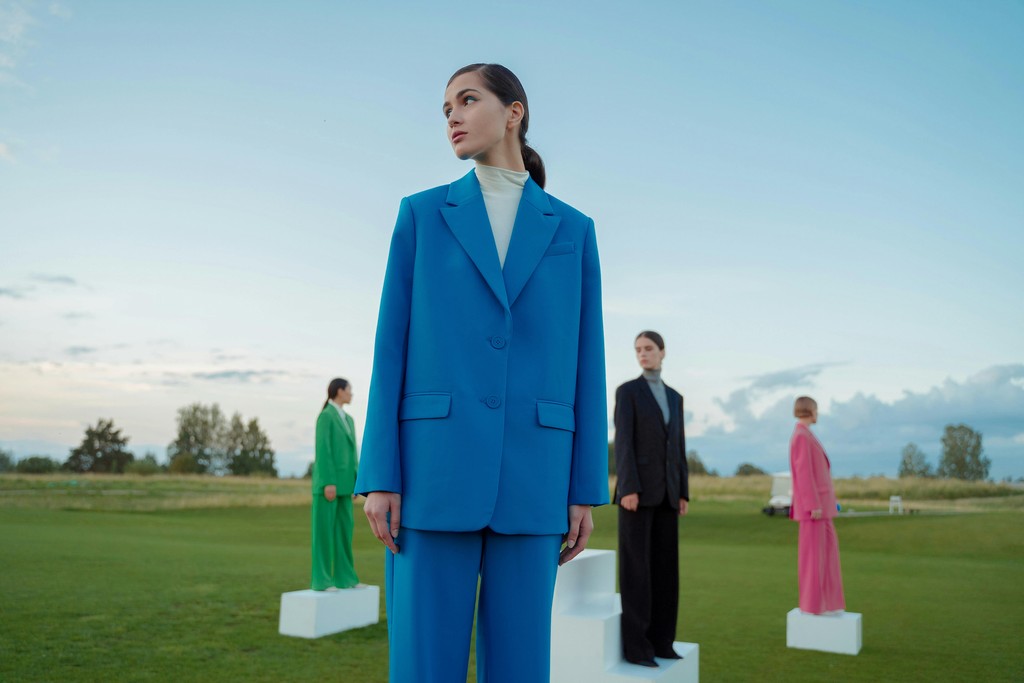
Color is never universal. A tone that reads as celebratory in one culture can carry sombre connotations in another. Successful palettes take cultural context seriously, not as an afterthought but as a primary brief item. That means research, not guesswork. It means considering climate, heritage, and the visual languages already in circulation where a campaign will live. It also means testing how color behaves in photography, print, and on screens across different regions.

For international brands this becomes complex but also generative. A global palette can have local accents that translate the central tone into regional dialects. The nuanced approach is to create a core color logic that adapts rather than flattens. When done well, color can unify a global identity while allowing local chapters to sing in their own register.

Case Studies in Practice

There are obvious case studies worth noting. A single saturated red can become mythic when consistently used in couture presentations, editorial covers, and product packaging. A pale blue, locked to a brand for decades, can operate as an instant marker of provenance and quality. But beyond storied examples, the practical work is in systematizing color usage: assigning primary, secondary, and accent roles, defining tonal ranges and accessible contrast, and naming colors so teams can reproduce them accurately.

When Maison VII develops a palette, the process is pragmatic and ritualized. We build swatches that travel across environments, photograph them under varied light, and test them in motion. We map how a color translates to textiles, to metallic finishes, and to on-screen pixels. That rigor is what converts a pretty palette into an identity you can wear, ship, and recognize in a single glance.

Create a free website with Framer, the website builder loved by startups, designers and agencies.