Fashion in Film
Clara Esposito
6 min read
Photos
Luca Romano
Date
Tuesday, August 12, 2025
Category
LIFESTYLE
CULTURE
Cinema as Costume Archive
Film preserves clothing the way photography preserves faces. Costumes in film live beyond the story, becoming reference points for designers and stylists for decades. A single character outfit can enter the cultural lexicon and shift public taste. Films operate at scale: they distribute visual ideas to global audiences who then reinterpret them in everyday dress. Because cinema combines movement, context, and narrative, it renders clothing meaningful in ways still photography struggles to match.
This archival power means that costume becomes source material for designers seeking resonance. The film costume is rarely neutral; it is a character move, an ideological note, and a cultural signal. Designers who mine film archives are mining stories as much as silhouettes.
Costume as Character
Good costume design understands that garments are shorthand for interior world. A jacket can signal defiance, a collar can suggest restraint, and a color choice can underline emotional transition. In film, costumes do heavy narrative lifting. They tell backstory without dialogue and suggest future arc with a single cut. For creative directors, understanding this relationship expands the language of fashion: garments can function as props with agency, shaping the audience’s reading of a character and of the clothing itself.
This is why fashion directors often borrow techniques from costume design. The emphasis shifts from isolated look to continuity across scenes, from the staged shot to the lived moment. That continuity is what makes film so instructive for lasting style.
Direction: Film Versus Runway
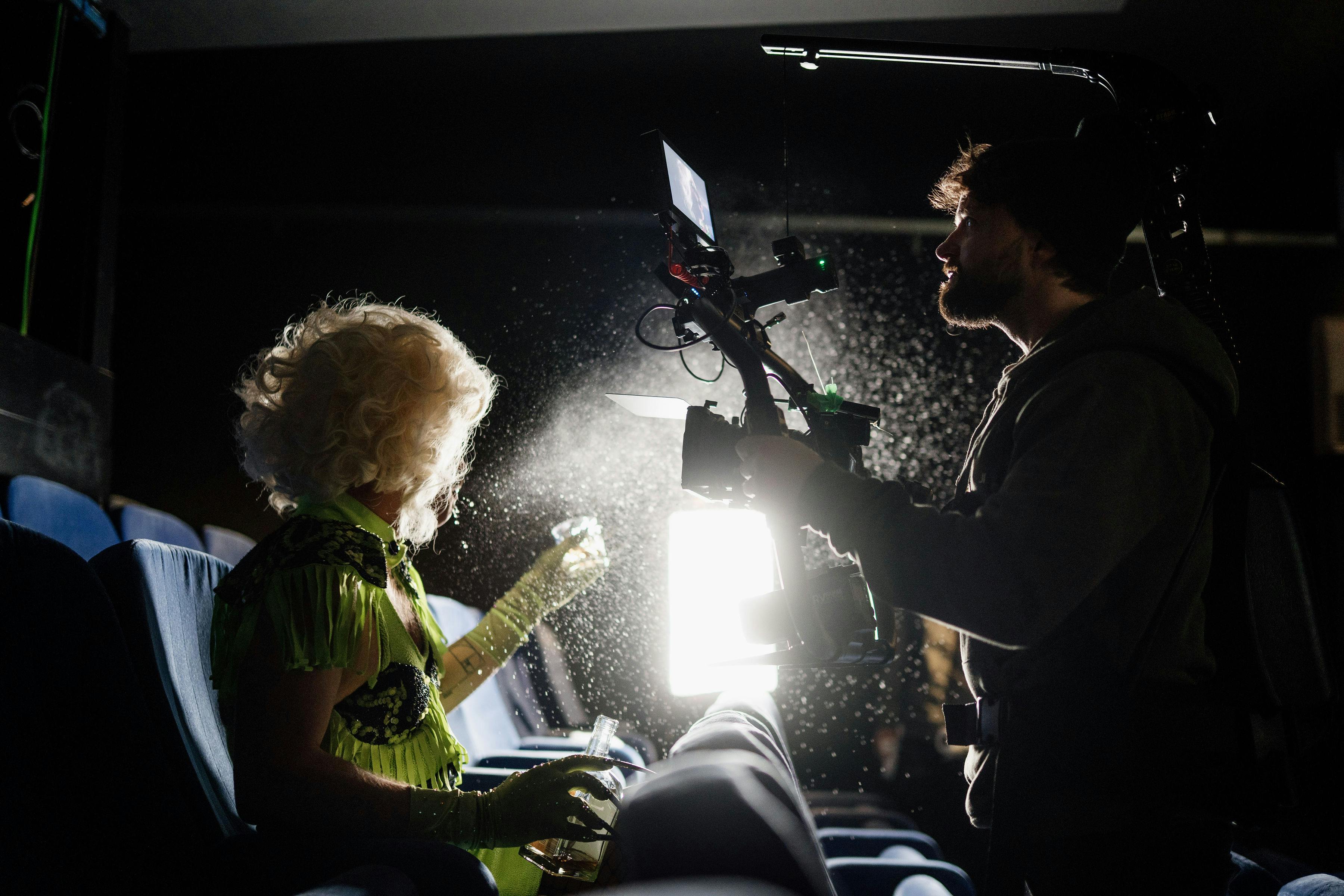
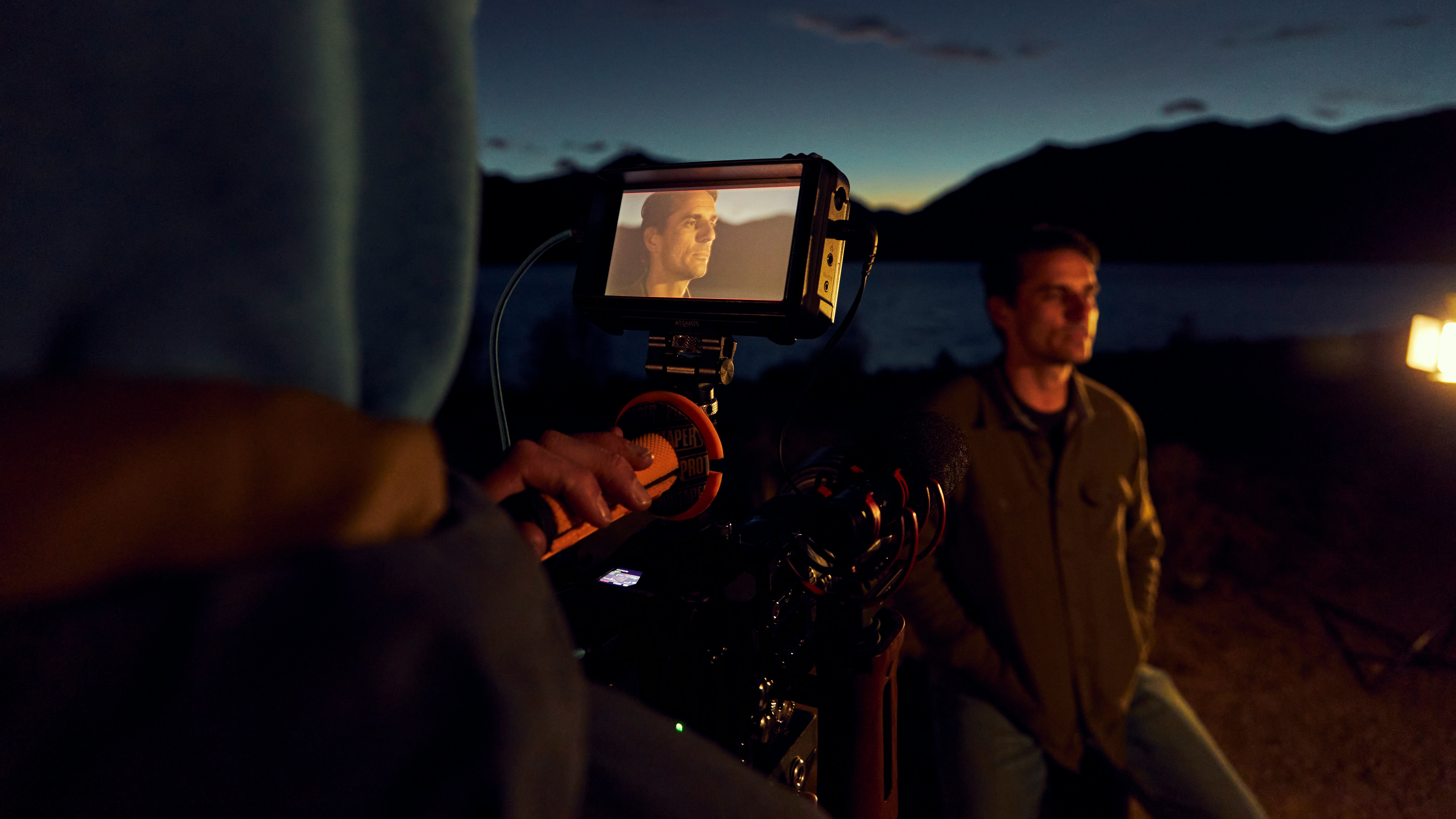
The difference between cinematic costume direction and runway creative direction is primarily one of temporality. A runway show is a compressed sequence that privileges immediate impression. Film is expansive, giving clothes time to reveal themselves across movement and plot. The creative demands are different. Film requires a deeper collaboration with directors, actors, and cinematographers to ensure garments read correctly in motion and story context.
For fashion creatives, learning film grammar is invaluable. It trains an eye for narrative pacing, for how lighting sculpts fabric, and for how small actions change perception. Those skills translate back into campaign work, editorial films, and moving image assets for digital platforms.