E-commerce as First Impression
For many brands, the online store has become the first and most frequent point of contact with an audience. The physical boutique still matters, but more buyers now begin, end, and measure relationships through digital pages. That puts an enormous burden on creative direction to make first impressions that are not only visually arresting but functionally persuasive. An e-commerce homepage must establish voice, clarity, and trust within seconds, while product pages must carry the narrative forward with conviction.
This is why creative direction cannot be tacked on after the commerce build. It must lead the way. The creative director defines hierarchy, photography style, tone of voice, and the choreography of images and copy so that every click feels like a step deeper into a coherent world. When those elements align, conversion follows not because of pressure but because the experience feels credible and curated.
Visual Trust and Conversion
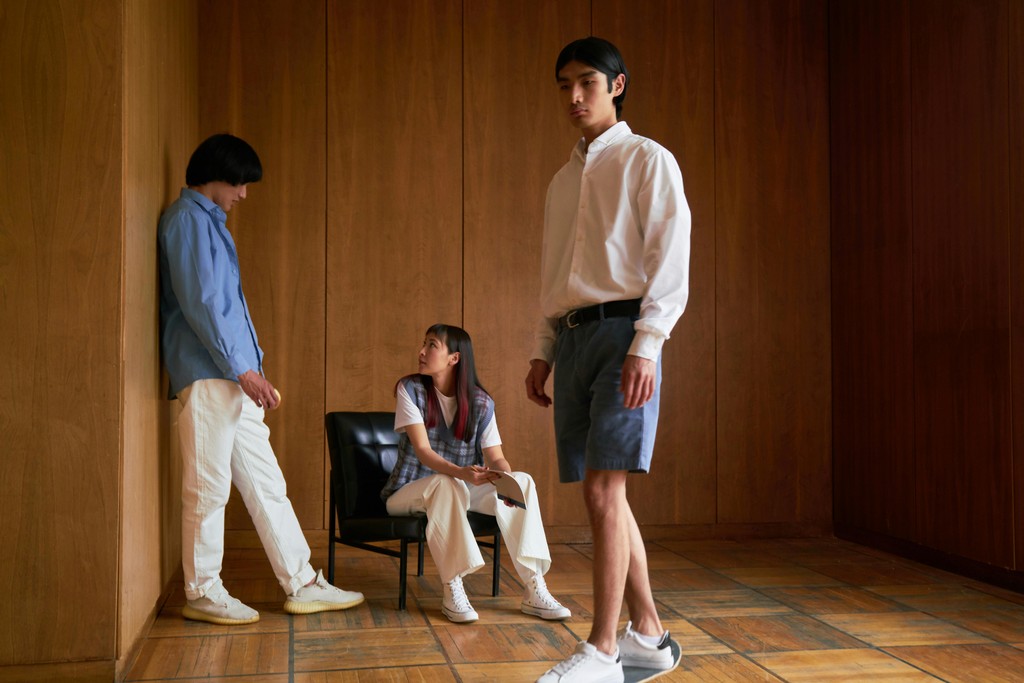
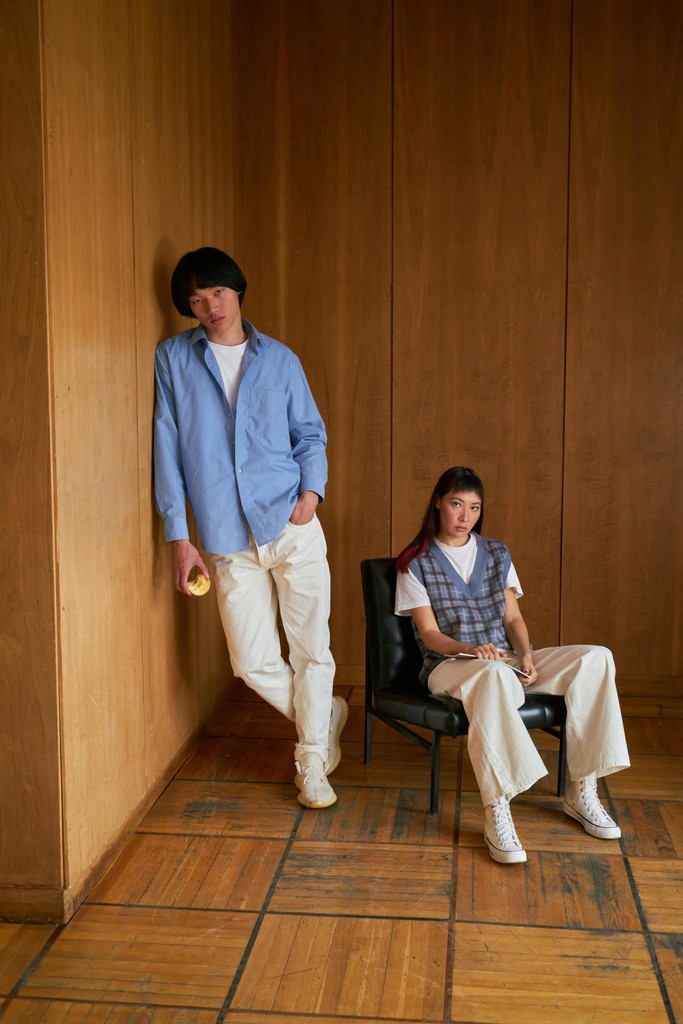
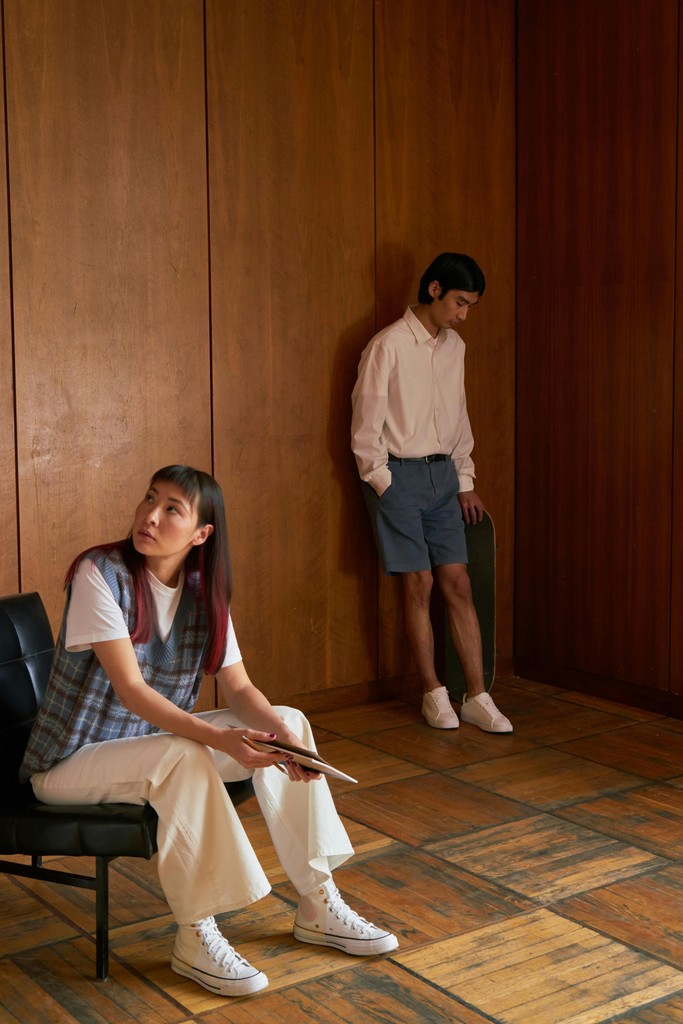
Photography, motion, and contextual storytelling are conversion tools. A well shot hero image builds desire, while 360 product views and short styling clips remove doubt. Visual trust is also built with consistent lighting, scale references, and real life context that lets buyers imagine garment fit and movement. Microcopy and thoughtful product descriptions that speak like a stylist rather than a spec sheet also reduce friction. Together these visual and verbal cues answer the buyer’s silent questions and shorten the distance from curiosity to purchase.
Speed and accessibility remain non negotiable. Beautiful visuals that slow down load times are counterproductive. The best e-commerce experiences are elegant and fast, marrying high quality imagery with optimized assets and graceful progressive loading. Design should feel premium, but it must also respect user patience.